

Research Overview
Rural America has changed drastically in the last 20 years, yet reliable data is scarce, making it harder for community leaders to drive growth and innovation.
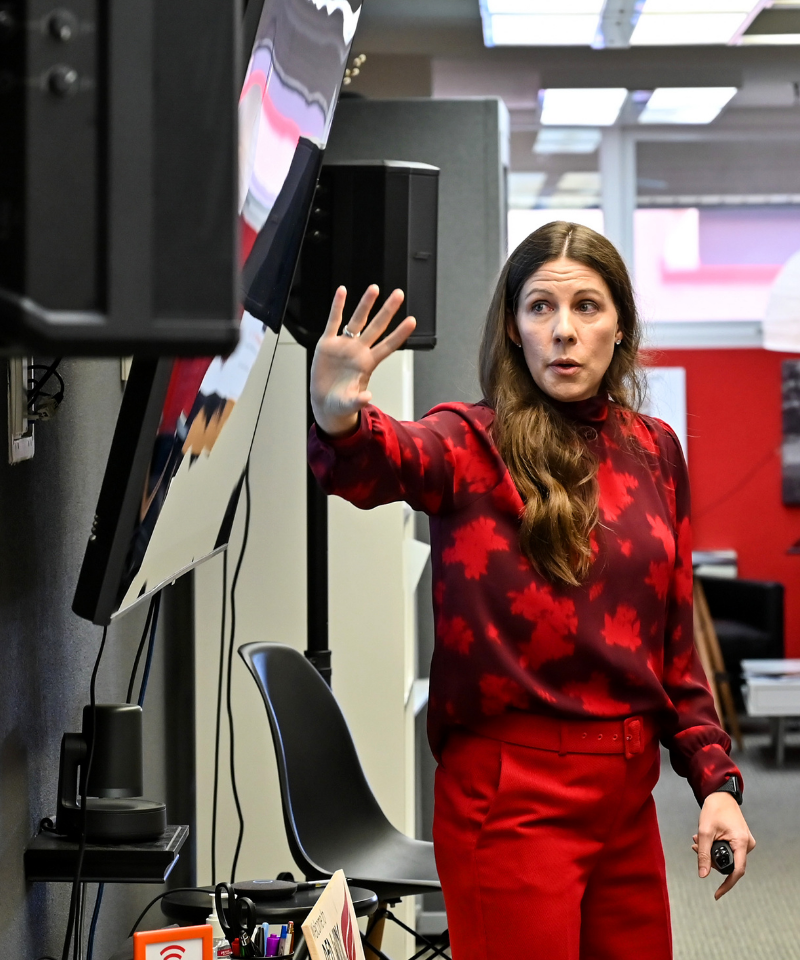
Latest Research
Our research and rural economic analysis efforts are rooted in the belief that for small towns and communities to thrive, rural leaders need access to data and information that will influence their efforts and tech economy strategies.
Rural America has undergone seismic changes in the last 20 years, and we are committed to using data to ensure there is available research that reflects this evolution and the opportunities that accompany it.
of all venture capital goes to rural businesses
of U.S. firms are located in rural America
Uneven Ground: Local Public Funding Gaps Between Rural and Nonrural America
Built For Place: What rural incubators reveal about community, innovation, and opportunity
Research, Mapping and Data Tools
Data for rural places is notoriously hard to find and use. Without data visualizations, maps, or even raw data in an accessible form, economic development directors with small staffs often struggle to contextualize their region’s economic assets especially when making critical decisions about investments, strategies and grant opportunities.
A data gap also means that policymakers and philanthropies find it difficult to understand the vast and varied geography that is rural America. If comprehensive data is unavailable, the media relies on anecdotes when discussing rural issues, unintentionally contributing to narratives that do not reflect the full complexity of rural America.
The Experts
We hope not just to make data about rural communities accessible, but also to broaden the conversation and change the narrative about what’s possible in rural America. We are continuously updating our resource center with the latest research, and mapping and data – and building additional maps to serve new clients and tell new stories.
In collaboration with our funders and partners, our team of seasoned economists, researchers, analysts and software engineers works with rural data to create a larger picture and updated view of what is driving change in small towns and communities across the country.
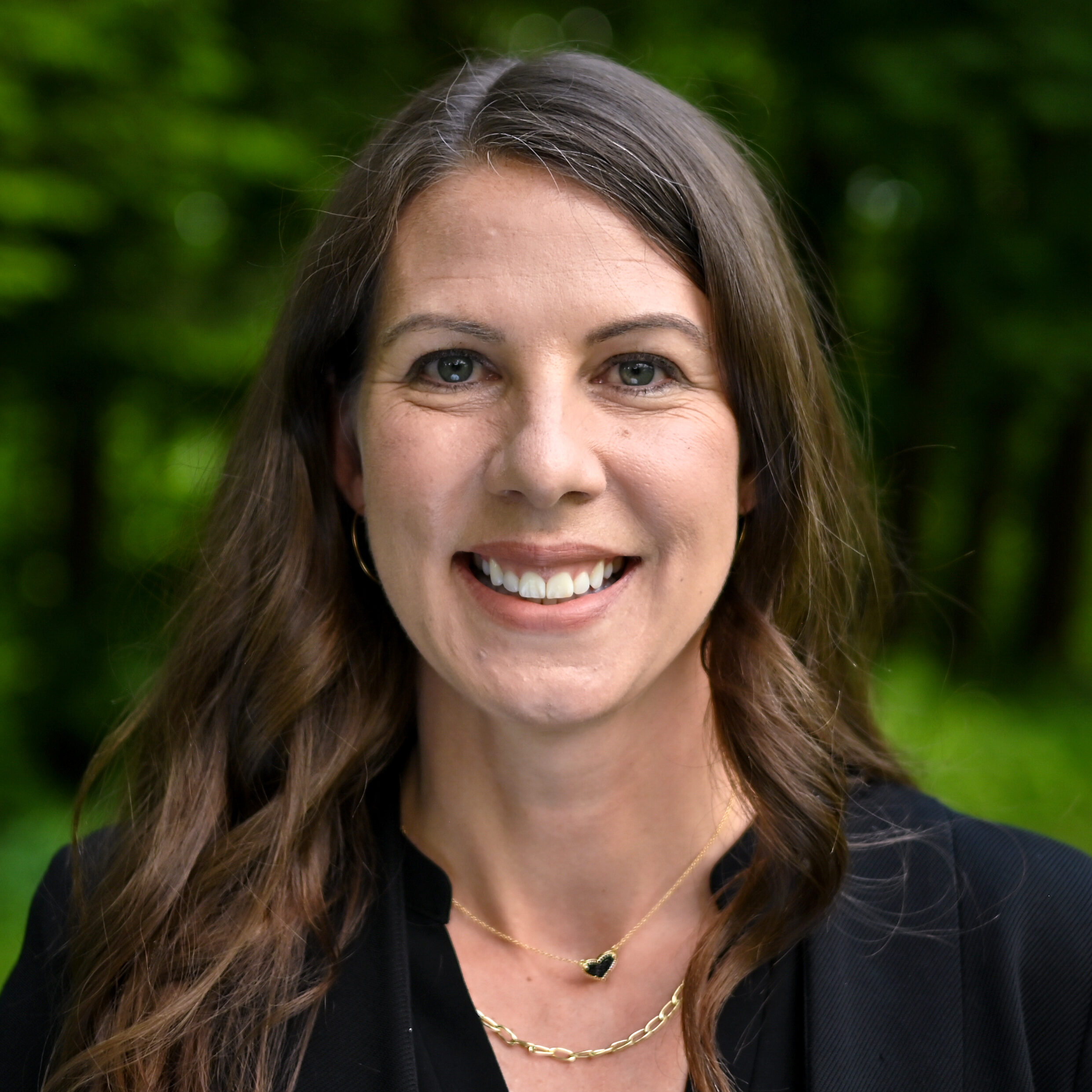
Director of Research, Knowledge, and Evaluation
Amanda Weinstein, PhD
Amanda leads the Research, Knowledge, and Evaluation team in providing a better understanding of the economic dynamics of rural America and evaluating our programs guiding communities towards tech-driven prosperity using rigorous analysis and real-world insight.
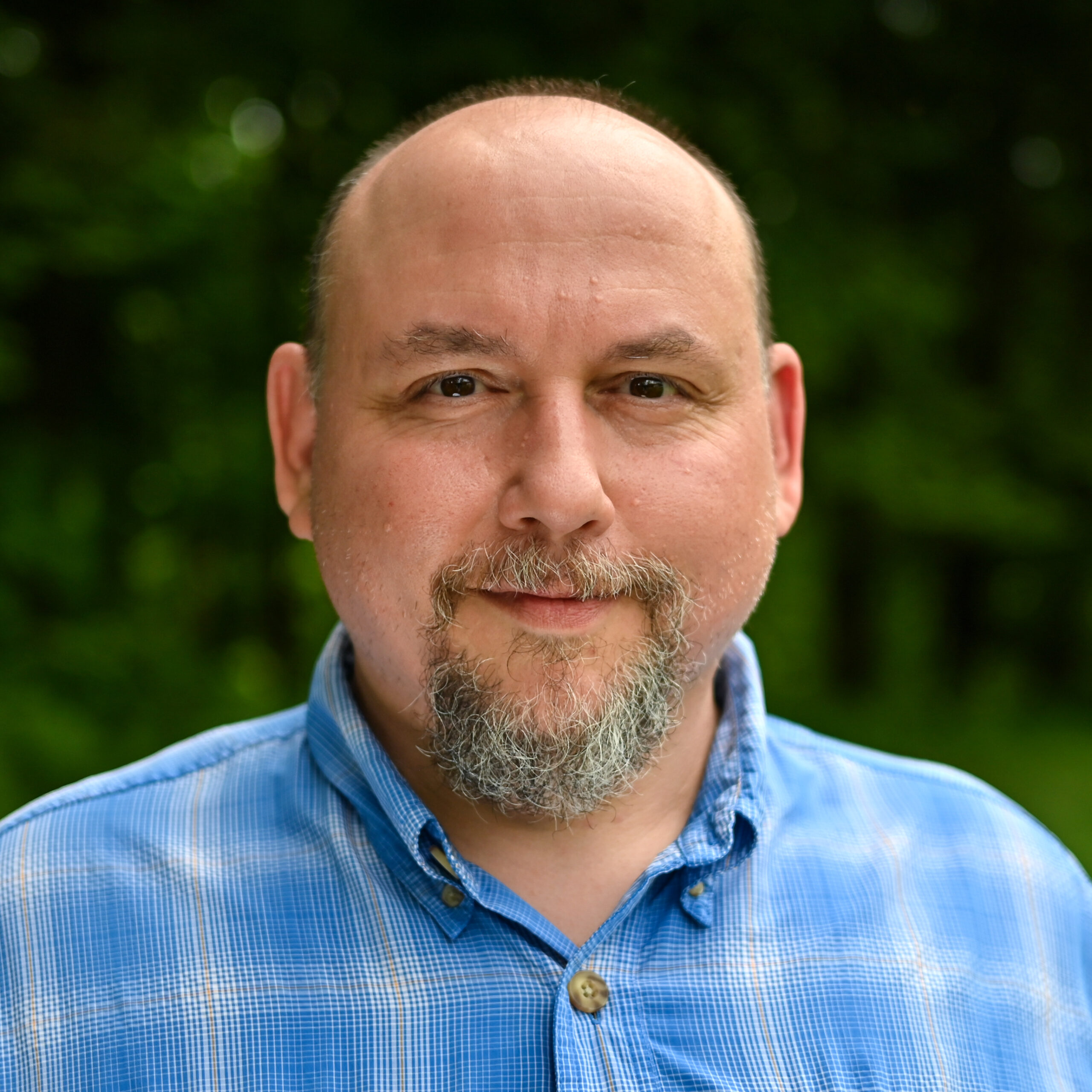
Researcher
Adam Dewbury, PhD
Adam is the qualitative research expert on the CORI research team. From interviews to ethnographic research, his work helps flesh out the quantitative data work with nuances that can’t be captured with numbers.
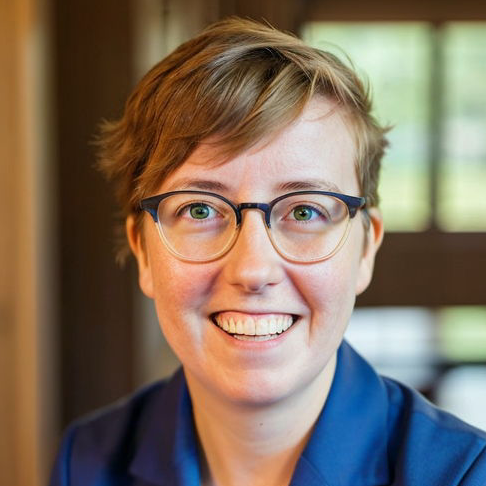
Research Associate
Olivia Galloway, PhD
Olivia is a Research Associate at the Center on Rural Innovation, specializing in applying rigorous quantitative methods to understanding what factors shape economic opportunity, especially for places and communities often overlooked. She brings with her over a decade of experience applying economic analysis to complex research questions.

Research Fellow
Michael Hicks, PhD
Michael Hicks is the Director of the School of Business and Eldon R. Lindsey Professor of Economics at the College of Business and Economics at Shenandoah University. His research focuses on the location and composition of households and firms, with particular focus on fiscal policy and quality of life.

Research Fellow
Heather M. Stephens, PhD
Heather M. Stephens, Ph.D., is the Director of the Regional Research Institute and a Professor of Community and Economic Development at West Virginia University. Her research expertise focuses on examining regional economic development and the impact of policies across diverse regions, especially the rural U.S.
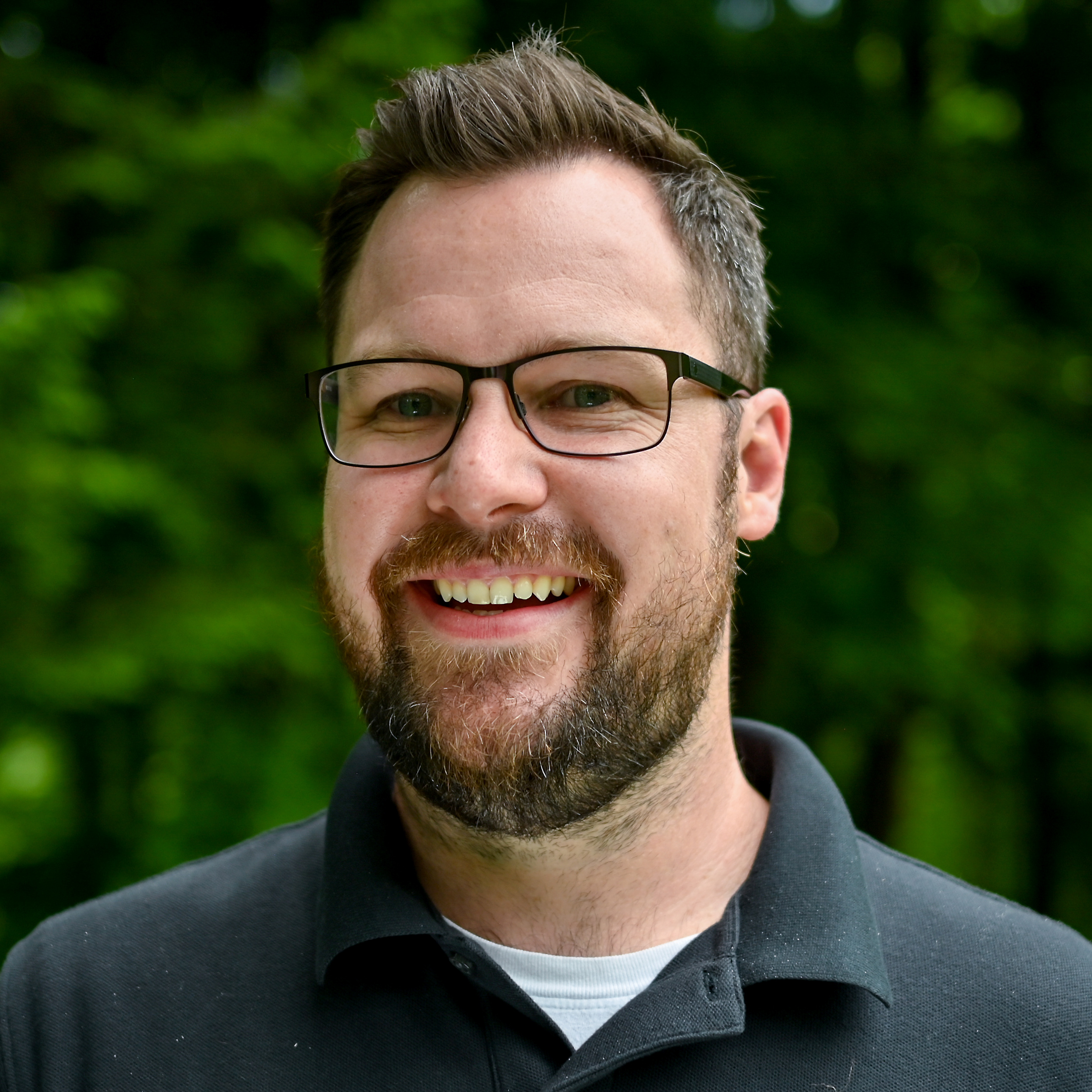
Head of Data Analytics
Drew Rosebush
As a member of the mapping and data analytics team, Drew develops data tools to help define and execute analytics for the organization.

Data Scientist
Lindsey Elliott
Lindsey is a Data Scientist for the Center on Rural Innovation. Specializing in sociology and quantitative methods, his research has examined rural communities, neighborhood and social cohesion, the criminal justice system, and law.
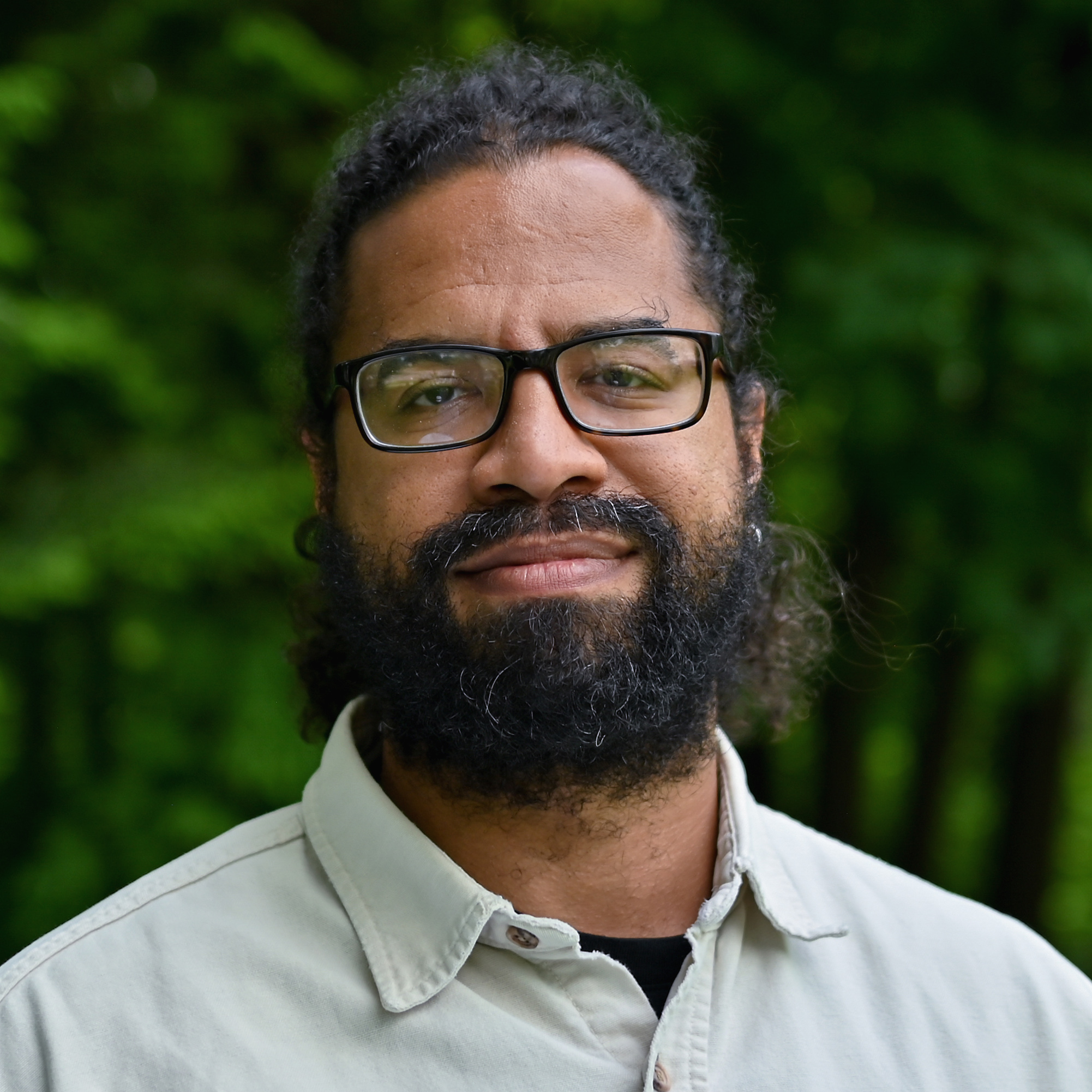
Lead Software Developer
John Hall
John has been coding professionally and personally for over a decade. Although he has specialized in web mapping and visualization for most of that time, his skills range from scripting simple utilities to crafting fullstack applications to spec.

Data Visualization Designer
Ripley Cleghorn
Ripley translates data to visual stories as the data visualization designer on the mapping and data analytics team. She has carried out data visualization in several different industries but feels most at home supporting research efforts.