

What It Takes to Pitch Big From a Small Town
What makes a great pitch? It’s more than a compelling idea. Go behind the scenes of CORI’s Small Towns, Big Ideas pitch event to discover four lessons rural founders can use to tell their stories, connect with audiences, and grow their businesses.
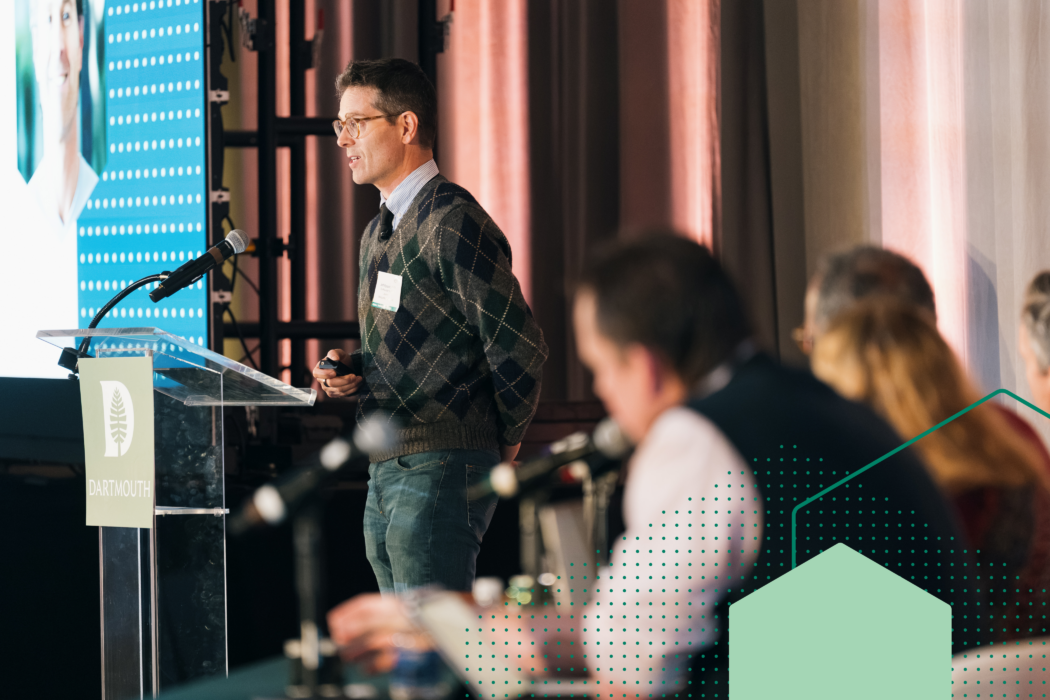
Each year, CORI hosts Small Towns, Big Ideas to spotlight founders building exciting companies in rural communities across the country. What began as a way to support rural startups has become a national spotlight on the entrepreneurs and communities transforming rural economies. Past participants have gone on to create jobs, grow their businesses, and strengthen their local entrepreneurial ecosystems. Earlier this fall, SpaceWERX, the Space Force’s innovation arm, selected Troy Morris and the team at Kall Morris Inc., the winner of our first pitch event, to receive Strategic Funding Increase, or STRATFI funding.
The event also helps founders sharpen their storytelling, pressure-test their ideas, and build confidence in rooms that don’t always feel designed for rural entrepreneurs. People may only see the pitch, but the real growth happens in the preparation.
This year’s founders came from communities across the country, each bringing a deeply personal connection to the problems they are working to solve. We focused on helping them communicate not just what they’re building, but why it matters, and who it’s for.
Over six years of Small Towns, Big Ideas, we’ve learned a few lessons that any rural founder can use:
1. Start With a Problem You Know
The strongest pitches often start with firsthand experience.
Elijah Jensen of MotorVision worked in mechanical and electrical design for manufacturing, where he saw the cost of stalled production caused by machine failures. Jenn Musie of Auspex is a social psychologist and anthropologist who saw rural communities underrepresented in land development negotiations.
During pitch prep, we encouraged founders to clearly frame the problem they’re solving in the industries they know and love so well. That deep understanding helps them explain why the problem matters and how their solution addresses it.
2. Make the Complex Feel Human
Some of the most powerful moments come when founders make complex ideas feel simple, relatable, and human.
Jeff Nyquist of Journai showed how better connections among student-athletes, coaches, and supporters can support student success. Sho Rust of PubGen.AI, a fourth-generation news publisher, described the time-consuming processes that strain small local newsrooms.
We talked a lot about how great tech often feels invisible when it’s working well. When founders focus on the impact instead of the mechanics, people lean in. That’s when innovation stops feeling intimidating and starts feeling possible.
3. Community is Part of Your Business
Rural founders don’t build in isolation, and their pitches shouldn’t either.
Pourya Shamsi of Infinity Miles, based in Rolla, Missouri, explained how rural communities could benefit from better ways to power data centers and battery-powered vehicles. He also described the unique attributes rural communities offer that can help these industries thrive.
These founders carry their ecosystems with them on stage. Mentors, early users, and local supporters showed up not just as supporters, but as part of the story itself. And the pitches showed how local connection and community support help rural founders turn ideas into growing businesses.
4. Grit Outweighs Perfection
Every founder has had an idea fall flat, a prototype fail, or an opportunity slip away. Those moments can sting. They also offer a chance to learn, adjust, and show up every day.
During prep, we helped founders practice, work through feedback, and try again. Each run-through gave us a chance to ask: What landed? Where did we lose people? What could we show more clearly?
That willingness to learn from a setback and take another shot matters beyond the stage. Building a business takes grit, and these founders brought that persistence to the process.
The Small Towns, Big Ideas pitch event reminds us that innovation happens wherever people recognize a problem and get to work solving it. With the right tools, connections, and support, rural founders can build companies that strengthen their communities.