

A Growing Network, A Stronger Rural Future: Welcoming Tahlequah, Great Bend, and Rolla
Tahlequah, Great Bend, and Rolla are joining a growing national network of rural leaders building stronger economies through entrepreneurship, technology, talent, and collaboration.
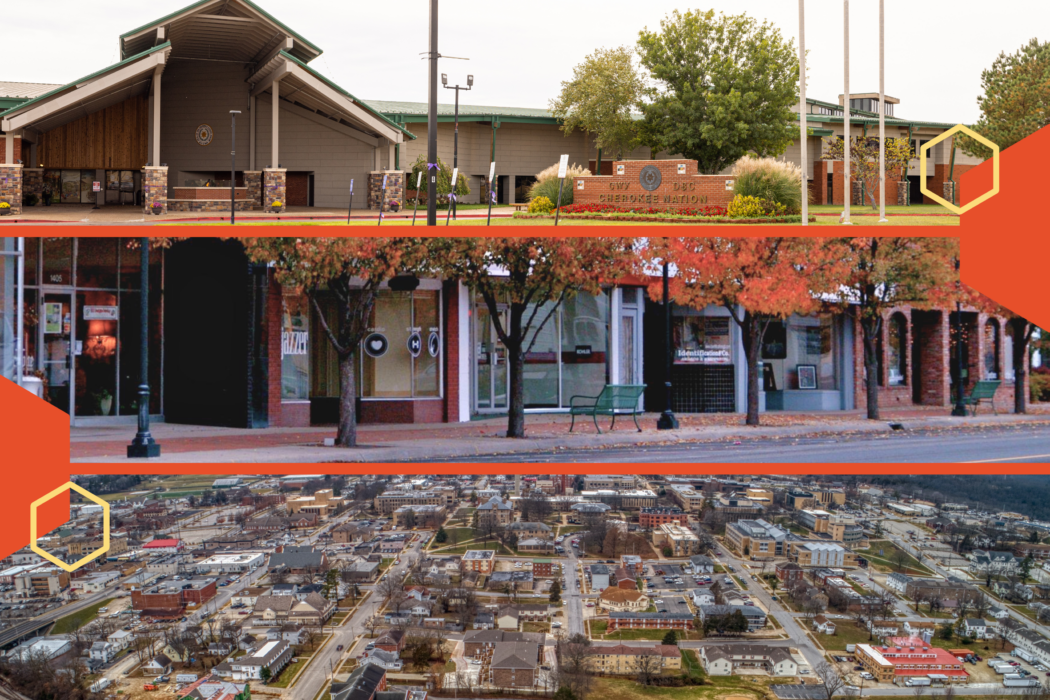
The future of rural innovation will not be built by any one community working alone. It will be shaped by rural leaders learning from one another, adapting proven ideas to local realities, and building stronger connections across regions.
That is what makes the continued growth of the Rural Innovation Network so important.
The Center on Rural Innovation is proud to welcome three new communities to the Network: Tahlequah, Oklahoma; Great Bend, Kansas; and Rolla, Missouri. Each brings a distinct economic history, set of community assets, and vision for their future.
The Rural Innovation Network is a national community of rural leaders working to build more dynamic and inclusive tech economies through entrepreneurship, workforce development, and locally led ecosystem building. By joining the Network, they will share what’s working in their communities, learn from peers tackling similar challenges, and build relationships that help proven ideas spread farther and faster across rural America.
Network members work to answer questions like: How can we help more entrepreneurs turn ideas into businesses? How do we prepare residents for industries and careers that are changing rapidly? How can innovation build on a community’s culture and existing strengths rather than replace them? And how do we create economic opportunity that allows more people to build meaningful lives in the places they call home?
Tahlequah, Great Bend, and Rolla are approaching these questions from different starting points, and that diversity is one of the Network’s greatest strengths.
Cherokee Nation – Tahlequah: Innovation Rooted in Culture and Community
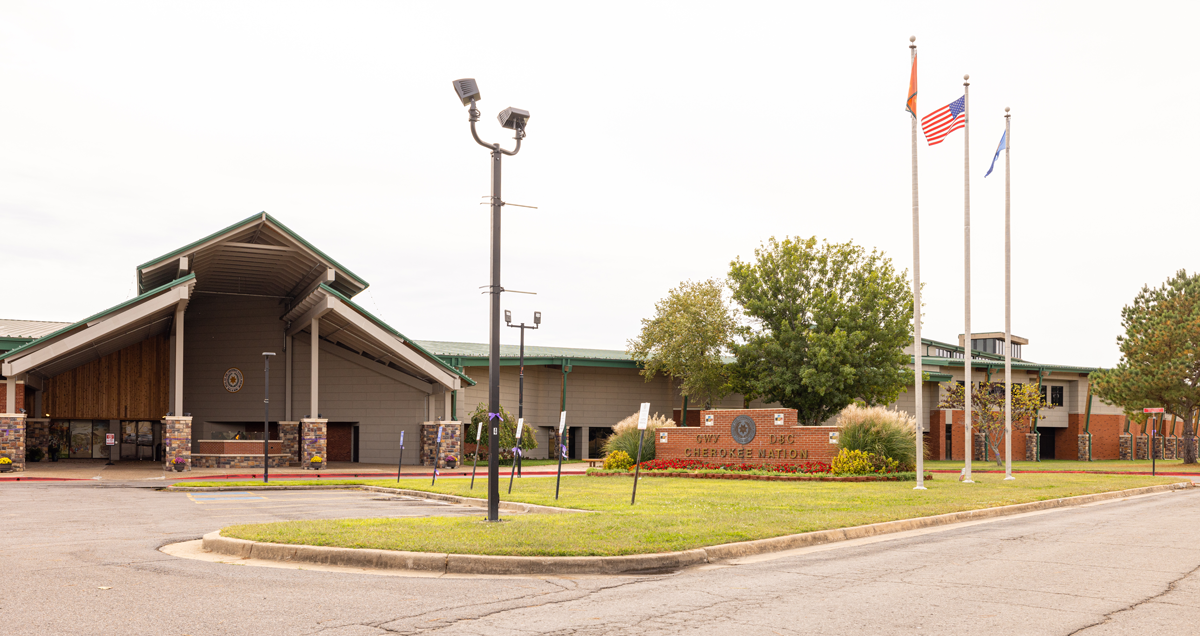
In Tahlequah and across the Cherokee Nation’s 14-county sovereign tribal community, entrepreneurship is deeply connected to culture, community, and self-determination.
Cherokee communities are home to small business owners, trades professionals, artisans, food entrepreneurs, and technology-focused creators. Through Cherokee Nation Commerce, the Cherokee Nation Innovation Hub, and other regional partners, entrepreneurs can access business training, technical assistance, lending pathways, mentorship, and spaces designed to help ideas develop.
Tahlequah’s ecosystem is further strengthened by Northeastern State University (NSU) and the region’s network of healthcare institutions, which together support education, workforce development, research, and community well-being across northeastern Oklahoma. NSU’s education and workforce programs also bring valuable partnerships that connect students, employers, entrepreneurs, and regional organizations, creating new opportunities for collaboration and talent development.
This work is grounded in a larger mission: strengthening the financial well-being of Cherokee people, businesses, and communities while ensuring that Native-owned enterprises can participate fully in a changing national economy.
By joining the Rural Innovation Network, leaders in Tahlequah and the broader Cherokee Nation ecosystem will connect with rural peers who are also designing entrepreneurship programs, building innovation spaces, and working to expand access to technology and capital. They will also contribute important lessons about culturally rooted economic development and the power of building systems around the identity, relationships, and strengths already present in a community.
Great Bend, Kansas: Building New Pathways From a Strong Entrepreneurial Foundation
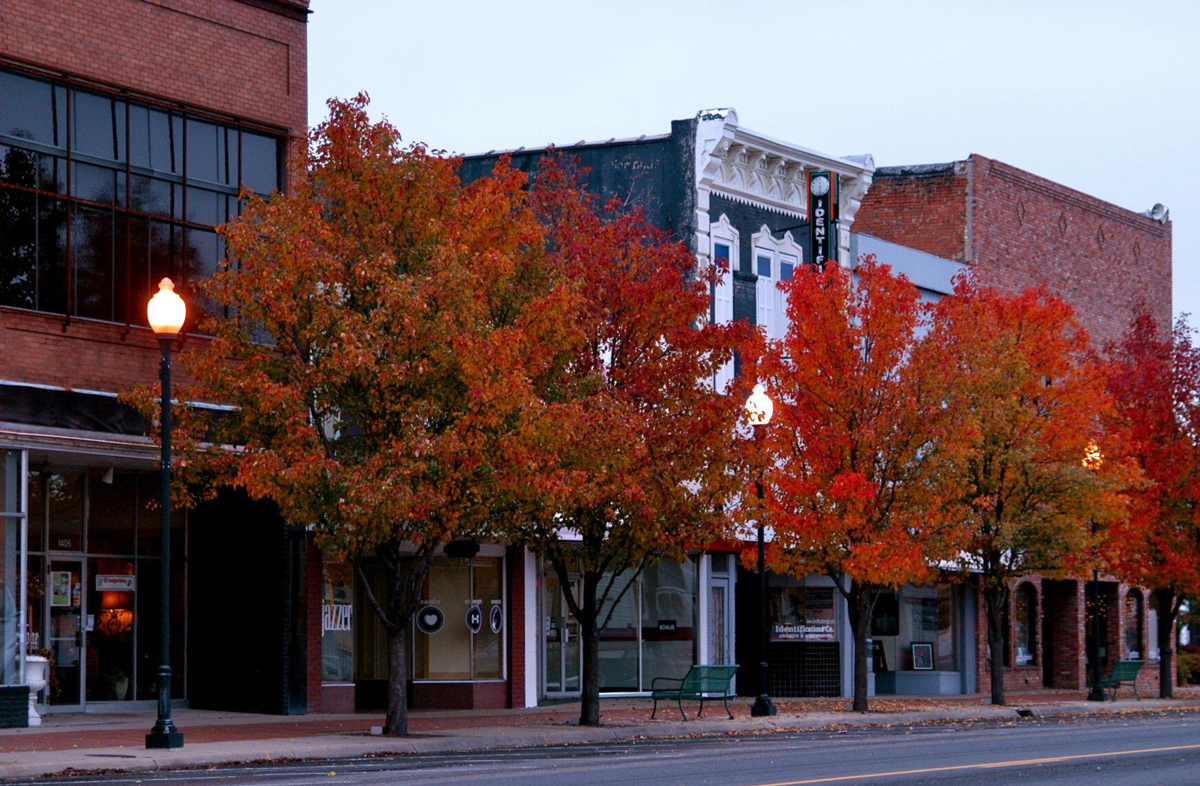
Great Bend and the surrounding Barton County region are building toward a more diverse, future-ready economy while drawing on a strong culture of entrepreneurship.
The community already has a robust foundation for supporting business owners. Co.Starters cohorts, business bootcamps, paired mentorship, technical assistance grants, and a three-tiered $95,000 pitch competition are helping residents develop ideas, strengthen financial plans, and grow local companies. Local leaders are now working to connect that entrepreneurial energy to new technologies and scalable industries.
A new innovation center opening this fall represents an important step in that direction. Planned resources include fabrication equipment, virtual-reality technology, a commercial kitchen, and spaces that can support training, experimentation, product development, and industry partnerships.
Barton Community College is also expanding access to education in cybersecurity, artificial intelligence, and entrepreneurship. New programs, including a middle-school coding and cybersecurity bootcamp, are helping introduce young people to technology as a possible career and business pathway.
Great Bend’s opportunity is not to abandon the industries and businesses that have long sustained the region. It is to help local companies adopt new tools, give residents more ways to develop in-demand skills, and create an environment where the next generation of entrepreneurs can build technology-enabled businesses from central Kansas.
Participation in the Network will connect Great Bend with communities pursuing similar goals like programming innovation spaces, strengthening K–12 talent pipelines, supporting remote workers, and extending traditional small-business programs into technology-driven entrepreneurship.
Rolla, Missouri: Turning Research and Technical Expertise Into Regional Opportunity
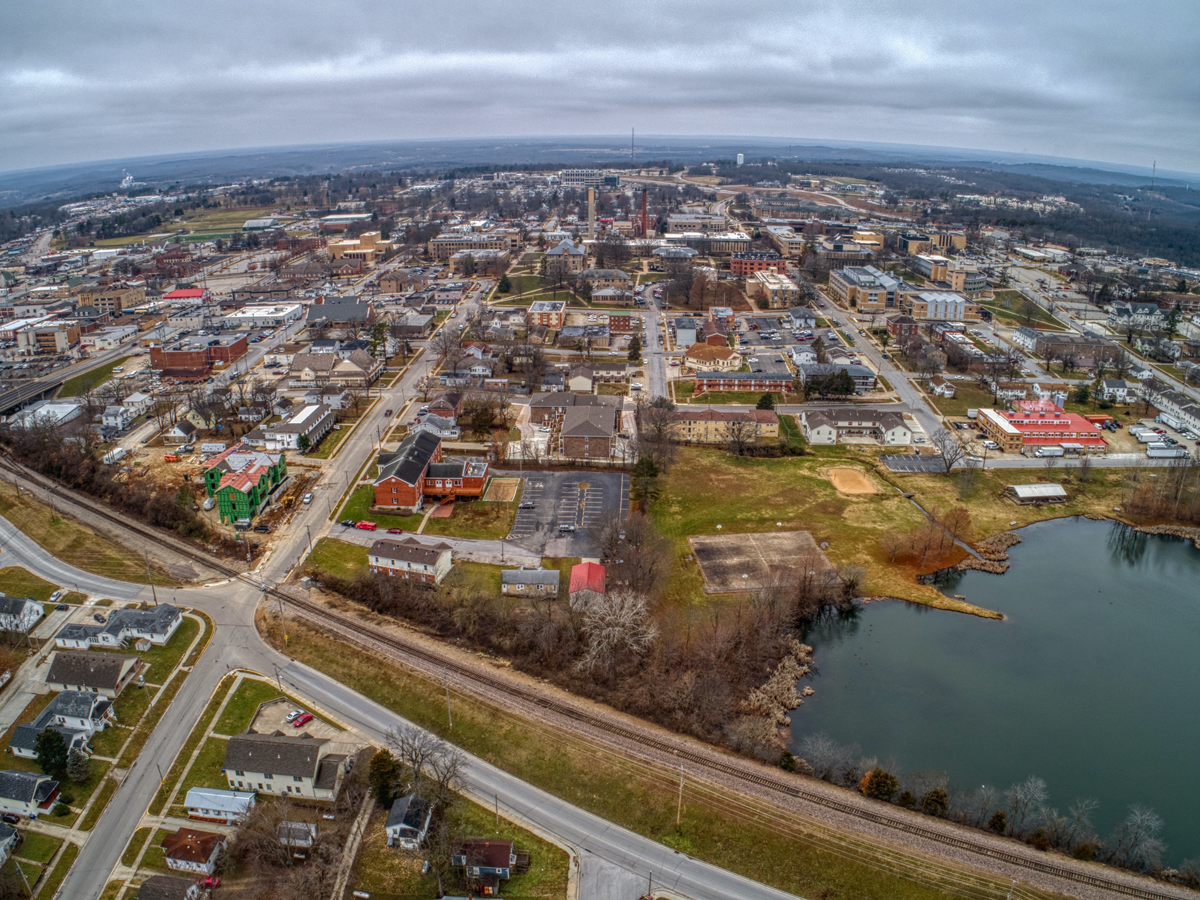
Rolla and Phelps County have built a strong foundation in research, engineering, advanced manufacturing, and commercialization, making them a valuable addition to the Rural Innovation Network.
Missouri University of Science and Technology (S&T) serves as a major anchor for the region, producing technical talent and advancing research in areas including mining, materials, engineering, manufacturing, and energy. The university’s Kummer Institute and Kummer College of Innovation, Entrepreneurship, and Economic Development are helping connect research, student success, entrepreneurship, and regional development.
Facilities and programs such as the Missouri Protoplex, Makers Studio, Missouri SBDC, and NSF I-Corps provide additional pathways for prototyping, business development, industry collaboration, and moving research toward the marketplace.
Rolla is also positioned to play a growing national role in critical-minerals innovation. S&T’s leadership in the Critical Minerals and Materials for Advanced Energy (CM2AE) Tech Hub creates opportunities to connect research, workforce development, advanced manufacturing, and industry investment. The Tech Hub was recently awarded a $38 million grant from the U.S. Economic Development Administration to boost the region’s ability to convert locally sourced minerals into critical materials essential for advanced manufacturing.
Beyond the university, the region benefits from technology, healthcare, and manufacturing companies such as Brewer Science, MO-SCI, and ETS Wound Care, along with Phelps Health, technical education partners, industrial infrastructure, and strong regional institutions.
Rolla’s next chapter will depend not only on producing important research and highly skilled graduates, but also on translating those assets into new companies, stronger local career pathways, and opportunities that keep more talent and economic value in the region. Through the Network, Rolla can learn alongside other university-anchored rural ecosystems while sharing lessons from its strengths in engineering, commercialization, and advanced industry development.
More Communities, More Possibilities
The Rural Innovation Network shows why there is no single model for building a rural innovation economy.
One community may begin with a culturally rooted entrepreneurial ecosystem. Another may build from established small-business programming and a new community innovation center. Another may be anchored by a research university and globally relevant technical expertise.
Rural communities don’t have to follow the same exact path. But it’s vital that they have the relationships, tools, evidence, and confidence to pursue the path that fits their people and place.
As the Network grows, members gain access to a wider range of examples and a deeper pool of experience. A program developed in one region can inspire a new approach somewhere else. A lesson learned while launching an innovation center can help another community avoid the same mistake. A workforce partnership, entrepreneurship curriculum, or local investment strategy can be adapted rather than built from scratch.
These connections help rural leaders move from isolated efforts to shared progress.
They also strengthen a larger national message: rural communities are not waiting for the future to be decided somewhere else. They are building the companies, developing the talent, creating the partnerships, and strengthening the local systems that will allow them to shape it.
We are proud to welcome Tahlequah, Great Bend, and Rolla to that work, and to a growing community of rural leaders demonstrating what becomes possible when innovation is rooted in place and strengthened through connection.