

Southern Colorado
Use the next/previous buttons to view a series of images and captions.






About Southern Colorado
Southern Colorado’s community spans five counties — Fremont, Las Animas, Huerfano, Otero, and Alamosa — connecting communities across a broad and diverse region. From historic downtowns and longstanding centers of industry to mountain landscapes, agricultural communities, and outdoor recreation, each part of the region has its own identity. What connects them is a strong sense of place and a shared commitment to creating more opportunities for people to build careers, businesses, and lives in Southern Colorado.
That commitment is deeply rooted in the people who call the region home. Residents, business owners, educators, and local leaders regularly step forward to support their communities, and many of those leading economic and community development efforts have multigenerational ties to the places they serve. The region also benefits from experienced professionals who can contribute as mentors, coaches, and workforce leaders, alongside higher education institutions that connect residents with education, technical skills, and career pathways.
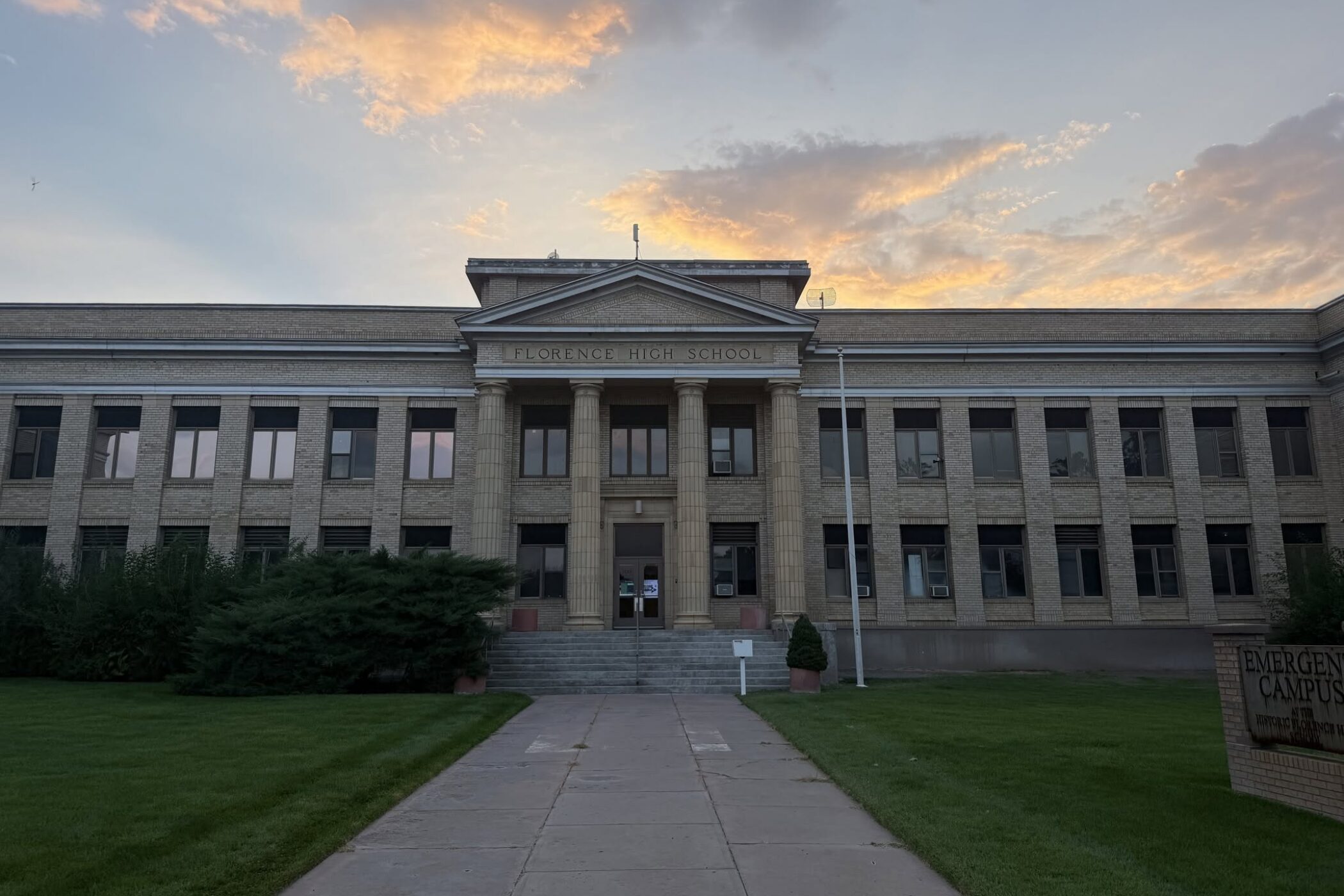
And now, community assets are being connected across county lines. Emergent Campus operates rural innovation hubs in Florence and Trinidad, along with an outpost in La Junta, creating spaces where entrepreneurs, remote workers, technology companies, students, and community partners can connect. Regional institutions including Fremont Economic Development Corporation, Trinidad State College, Pueblo Community College, and Colorado State University Pueblo add capacity in economic development, business support, workforce training, research, and education. Emergent Campus also supports programs ranging from startup acceleration and professional development to technology networking and coworking.
That collaborative approach is already creating new connections between education, workforce development, and industry. In 2025, partners across the region came together around a $5.75 million Strengthening Community Colleges Training Grant focused on expanding advanced-manufacturing career pathways in fields including robotics, automation, welding, and construction. This is just one example of how Southern Colorado is increasingly approaching economic opportunity as a regional effort—sharing expertise and resources so geography does not limit access to talent, support, or opportunity.
Community Partners
Emergent Campus
Emergent Campus works to strengthen rural communities by fostering entrepreneurship, supporting innovation, and helping technology-driven businesses start, grow, and thrive across the region. Its work combines physical spaces with programming designed to help people and businesses grow. Emergent Campus provides coworking and office space, startup incubation and acceleration, professional development, technology and innovation programming, mentorship, and opportunities for residents to connect with tech-focused careers. Programs such as the South Central Success Syndicate, Women in Tech Network, and Tech Night Out help create the relationships and peer networks that are particularly important for entrepreneurs and professionals building in rural communities.
Fremont Economic Development Corporation
Fremont Economic Development Corporation (FEDC) works to support business attraction, retention, expansion, and entrepreneurship in Fremont County while also playing an important role in regional economic development efforts. FEDC connects businesses with resources, partners, talent, and opportunities and has developed industry-focused initiatives spanning technology, agriculture, trades, health and wellness, and other sectors.
FEDC has also been an important catalyst for Southern Colorado’s growing technology ecosystem. Its TechSTART initiative helped create a community for technology entrepreneurs and remote workers and laid the groundwork that ultimately contributed to the creation of Emergent Campus. Today, FEDC convenes the multi-county South Central Tech Sector Partnership, bringing public and private partners together to strengthen the region’s technology economy, support local businesses, attract and retain talent, and build greater connectivity across Southern Colorado.
Trinidad State College
Trinidad State College is a key education and workforce partner with campuses in both Trinidad and Alamosa, giving the college a reach that spans multiple parts of the Southern Colorado region. Its Trinidad campus serves communities in and around Las Animas and Huerfano counties, while its Valley Campus in Alamosa connects students and employers throughout the San Luis Valley. The college identifies community prosperity and serving as a catalyst for local economic development as central to its strategic direction.
Trinidad State also works directly with regional partners to align education and training with emerging economic opportunities. As the lead institution for the region’s Strengthening Community Colleges initiative, the college is working alongside employers, workforce organizations, and education partners to expand pathways into advanced manufacturing and related fields — helping residents prepare for quality careers while giving regional employers access to the skilled talent they need to grow.
Pueblo Community College
Pueblo Community College (PCC) is one of Southern Colorado’s major workforce and education institutions, serving thousands of students through campuses and sites across the region. Its academic programs span fields including cybersecurity, advanced manufacturing, healthcare, business, and other areas aligned with regional workforce needs.
Through Pueblo Corporate College, PCC also works directly with businesses and employers to provide customized workforce training, professional development, business and entrepreneurial education, and industry-recognized credentials. That employer-driven approach helps close skills gaps while connecting residents with new career opportunities. PCC is also part of the regional partnership expanding advanced-manufacturing training alongside Trinidad State College, Emergent Campus, FEDC, and other Southern Colorado partners.
Colorado State University Pueblo
Colorado State University Pueblo is a regional public university providing Southern Colorado with talent, research, education, and connections to a wide range of industries and professions. Its academic strengths include business, engineering, science and technology, cybersecurity, data analytics, health, and other fields that contribute to the region’s workforce and innovation capacity.
The university’s broader vision also places entrepreneurship and regional engagement at the center of its mission. CSU Pueblo identifies cultivating entrepreneurship, advancing research that serves the public good, and engaging with the region’s distinct histories, cultures, and economic realities as institutional priorities. That role makes the university an important partner in developing the people, ideas, and knowledge that can contribute to Southern Colorado’s long-term economic future.
“We know that rural communities do not have to reinvent the wheel on their own. Being part of a national network gives us the opportunity to learn from proven approaches, share what is working in our region, and bring new ideas, resources, and relationships back to the entrepreneurs, businesses, and partners we serve.”
Brad Rowland, CEO, Emergent Campus
What Being a Member of the Network Means to Southern Colorado
For Southern Colorado, joining the Rural Innovation Network creates an opportunity to connect a growing regional ecosystem with rural communities across the country that are working toward many of the same goals. Rather than communities having to build solutions in isolation, the Network provides a place to exchange ideas, learn from approaches that are working elsewhere, develop new relationships, and bring those lessons back to the entrepreneurs, businesses, educators, and economic development leaders working across the region.
It also creates an opportunity for Southern Colorado to contribute what it is learning about building an innovation ecosystem across community and county lines. With higher education institutions, workforce partners, economic development organizations, experienced talent, entrepreneurs, and physical innovation hubs spread throughout a large geography, collaboration is essential to making the region’s collective assets more accessible and impactful.
Leaders look forward to connecting local strengths to a larger national movement that shows technology-driven businesses, quality jobs, and ambitious entrepreneurs can grow in rural places—while giving more people the opportunity to build their futures close to home.