

From the Woods to the Mill: How Rural-Built Tech is Modernizing the Timber Supply Chain
Waldo is modernizing the timber supply chain from rural Michigan, replacing paper-based forestry workflows with digital tools built by and for the people who know the industry.
Across rural America, entrepreneurs are building technology solutions for industries they know deeply. Waldo, a CORI Innovation Fund portfolio company based in Chassell, Michigan, is doing just that.
Waldo is bringing digital operations management to the timber supply chain — helping land managers, loggers, truckers, mills, and landowners move away from the decades-old paper-based systems and toward faster, more transparent, more connected workflows.
The company was founded by second-generation logger Leo Huhta, and that lived experience shows. Waldo is not technology built at a distance from the industry it serves. It is built around the realities of forestry work.
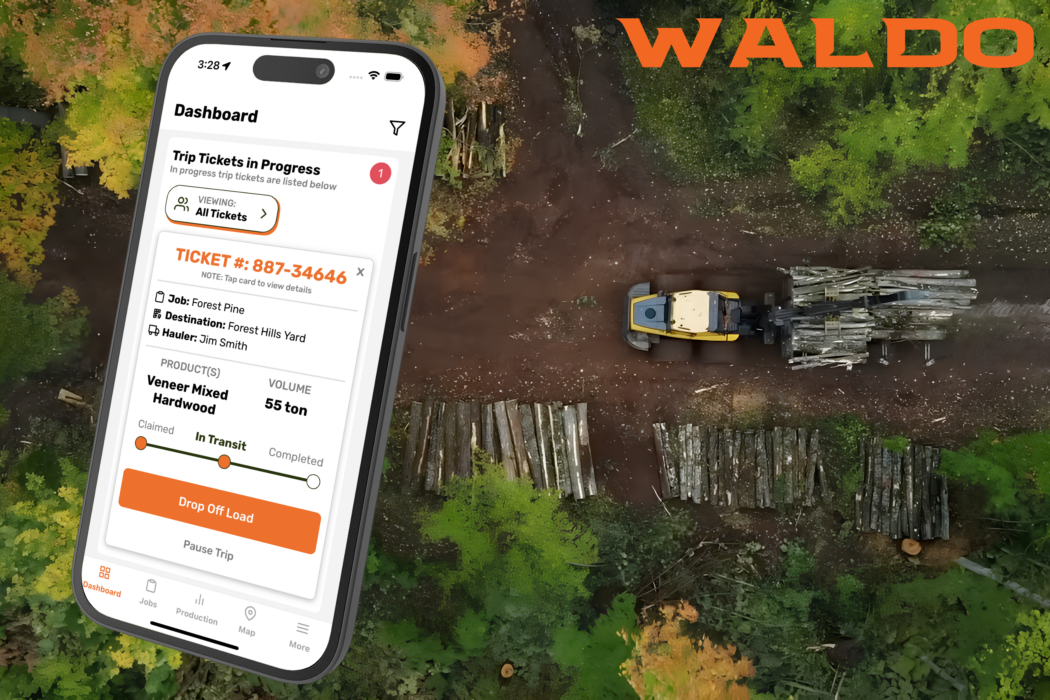
At the center of Waldo’s platform is the trip ticket — the record that follows a load of timber from the harvest site to its destination. Across the industry, these tickets are often still created on paper, manually entered, reconciled against mill records, and compiled into reports. That system creates delays, errors, duplicated work, and limited real-time visibility into what is happening in the field.
Waldo digitizes that process. Its platform allows users to create digital tickets in the field, track loads, manage harvest activity, compile compliance reporting, reconcile tickets and scale slips, issue invoices, and improve communication across the supply chain.
For forestry, this is not just a software upgrade. It is an industry-wide operational shift. For contractors and truckers, the shift eliminates the need for paper trip books and weekly summary prep. For landowners and managers, it creates faster visibility into active harvest jobs, load counts, species breakdowns, and reporting. For the broader supply chain, it means cleaner data and fewer delays.
Digitizing the largest timberland managers
Waldo’s momentum has accelerated significantly in recent months, including two major enterprise wins with American Forest Management and LandVest — the No. 1 and No. 2 largest timberland management organizations in the country.
American Forest Management, which manages over 5.7 million acres of timber, and LandVest, which manages over 2.25 million acres, both entered into business deals with Waldo.
These partnerships are a major signal for Waldo and for the broader forestry industry. When organizations of this scale begin replacing paper-based systems with digital workflows, it shows that the need is real, the market is ready, and the solution is gaining trust among some of the most sophisticated timberland managers in the country.
Fueling growth through Seed+ funding
Alongside this customer momentum, Waldo recently closed its Seed+ round with additional oversubscriptions expected to come in over the summer.
This funding comes at an important moment for the company. Over the past six months, Waldo has invested in platform design, sales processes, brand awareness, and in-field deployments. That work is beginning to compound into larger enterprise deals and a stronger pipeline.
Customers are becoming more aware of Waldo and opting into pilots earlier than they have in the past, helping shorten sales cycles and increase momentum.
Waldo is also building the internal capacity to meet that demand. The company has refined its sales engine, strengthened its prospecting capabilities, and is hiring two new positions focused on lead velocity and deal velocity.
For investors, this progress reflects more than early traction. It shows a company moving from promising product-market fit toward a more scalable growth engine.
Expanding the platform
Waldo’s recent updates are also expanding what the platform can do for enterprise customers and the broader timber supply chain.
The company recently launched its quota management product, a feature designed to help customers manage delivery requirements and operational planning more effectively. For large timberland managers overseeing complex harvest activity, this kind of functionality is essential.
Waldo also released the first version of Waldo Payments, enabling customers to issue invoices and accept payments online. The product opens an additional monetization pathway for Waldo while helping customers streamline another step in the supply chain.
The company has also made major improvements to settlements through AI reconciliation. Settlements are a critical part of the timber workflow, requiring teams to compare trip tickets, scale slips, mill statements, and other records. Waldo’s reconciliation tools help reduce manual review, identify discrepancies, and streamline the process.
Together, these updates point to Waldo’s broader opportunity. The company is not simply digitizing paper tickets. It is building a more connected operating layer for the timber supply chain — one that can support better reporting, faster payments, cleaner compliance, and more informed decision-making from stump to sawmill.
Rural Innovation, Built to Scale
Waldo’s growth reflects the kind of rural innovation the CORI Innovation Fund was created to help unlock. The fund invests in technology-enabled startups located in rural America — companies building scalable solutions, creating quality jobs, attracting follow-on investment, and expanding what is possible in the rural innovation economy.
Waldo is a powerful example of that mission in action: a rural-built company, founded with deep industry knowledge, modernizing a deeply rural industry. Its Seed+ funding, enterprise customer wins, and product growth show what can happen when rural entrepreneurs have access to the capital, networks, and support they need to scale.