

From a $10,000 Pitch Prize to a $34 Million Space Technology Award: KMI Space’s Rural Innovation Story
What does it take to build a thriving aerospace company in rural Michigan? For KMI Space, it’s a combination of groundbreaking technology, local support, and a commitment to creating opportunities at home. Discover their remarkable journey.
When KMI Space won the Center on Rural Innovation’s first Small Towns, Big Ideas pitch competition in 2021, the $10,000 prize was more than a vote of confidence. It was the first money the young space technology company had ever brought in.
“It was the first time we had a credit on our bank account rather than just debits continuously going out,” recalled Adam Kall, KMI’s co-founder and chief strategy officer. “It holds a special place.”
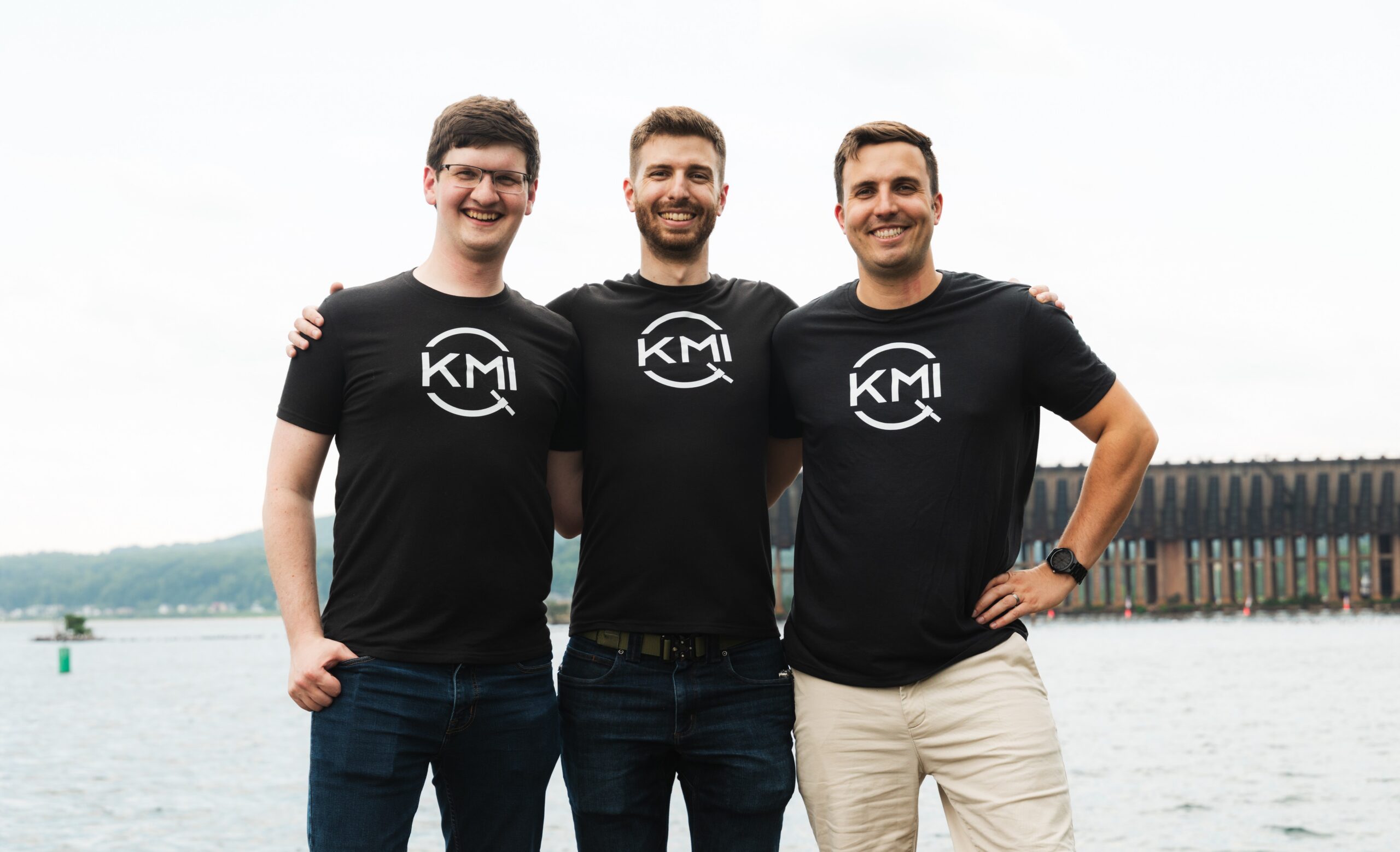
Five years later, the Marquette, Michigan-based company has reached a milestone few could have imagined when its three founders first set out to solve the problem of space debris. KMI Space has received a Strategic Funding Increase (STRATFI) award through SpaceWERX, the innovation arm of the U.S. Space Force. According to an October announcement from the State of Michigan, the project leverages $34 million in STRATFI funding, including a $3.5 million state award.
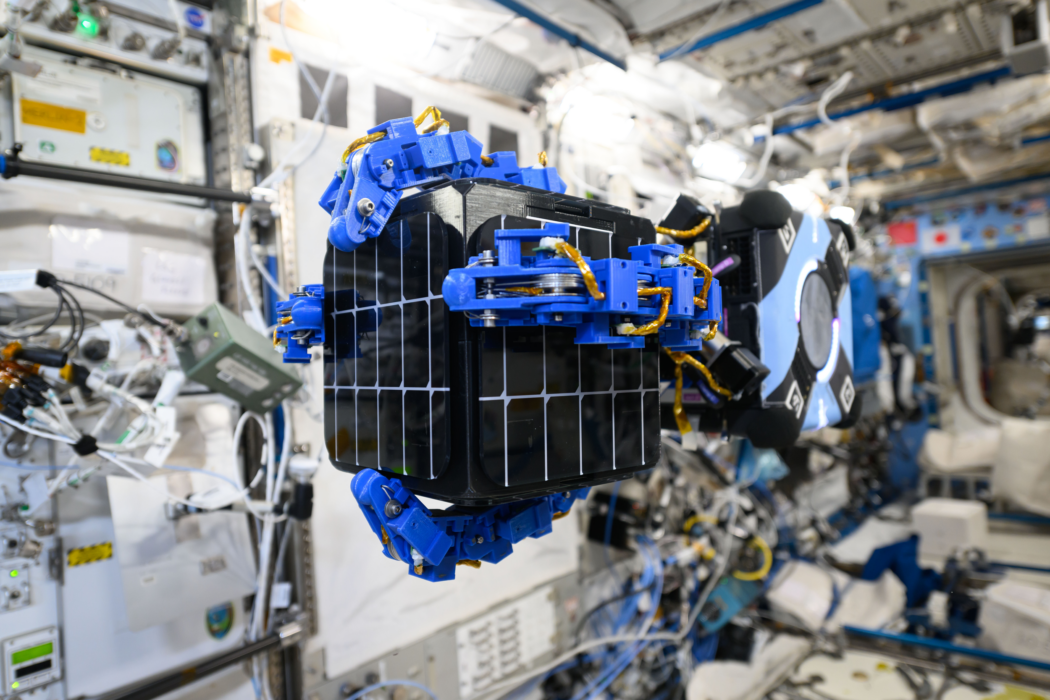
The funding will support KMI’s Laelaps spacecraft, designed to approach, capture, and reposition satellites in orbit. At the heart of the technology is REACCH, an end effector developed by KMI that enables a spacecraft to grasp an object, move it, and release it without damaging it.
The company has already demonstrated REACCH aboard the International Space Station.
“We are now receiving the contracts to go do a thing,” Kall said, describing the company’s transition out of years of research and testing. “It’s a very exciting time as we evolve from essentially a research project of ‘will this approach work’ to a functional and practical company.”
Just as intentional as the company’s technology is its location. The founders met at Northern Michigan University and chose to build KMI in Marquette, far from the established aerospace centers in California, Texas, and Florida. They believed the Upper Peninsula could be a competitive advantage in attracting engineers who preferred its landscape and lifestyle.
“Engineering capability is not correlated with temperature preference,” Kall said. The company’s experience, he added, has borne out that bet.
Kall also credits Innovate Marquette, part of CORI’s Rural Innovation Network, with helping the company navigate the unfamiliar challenges of building an aerospace business. Rather than claiming to have all the answers, the local organization worked alongside the founders and connected them to a wider network of support.
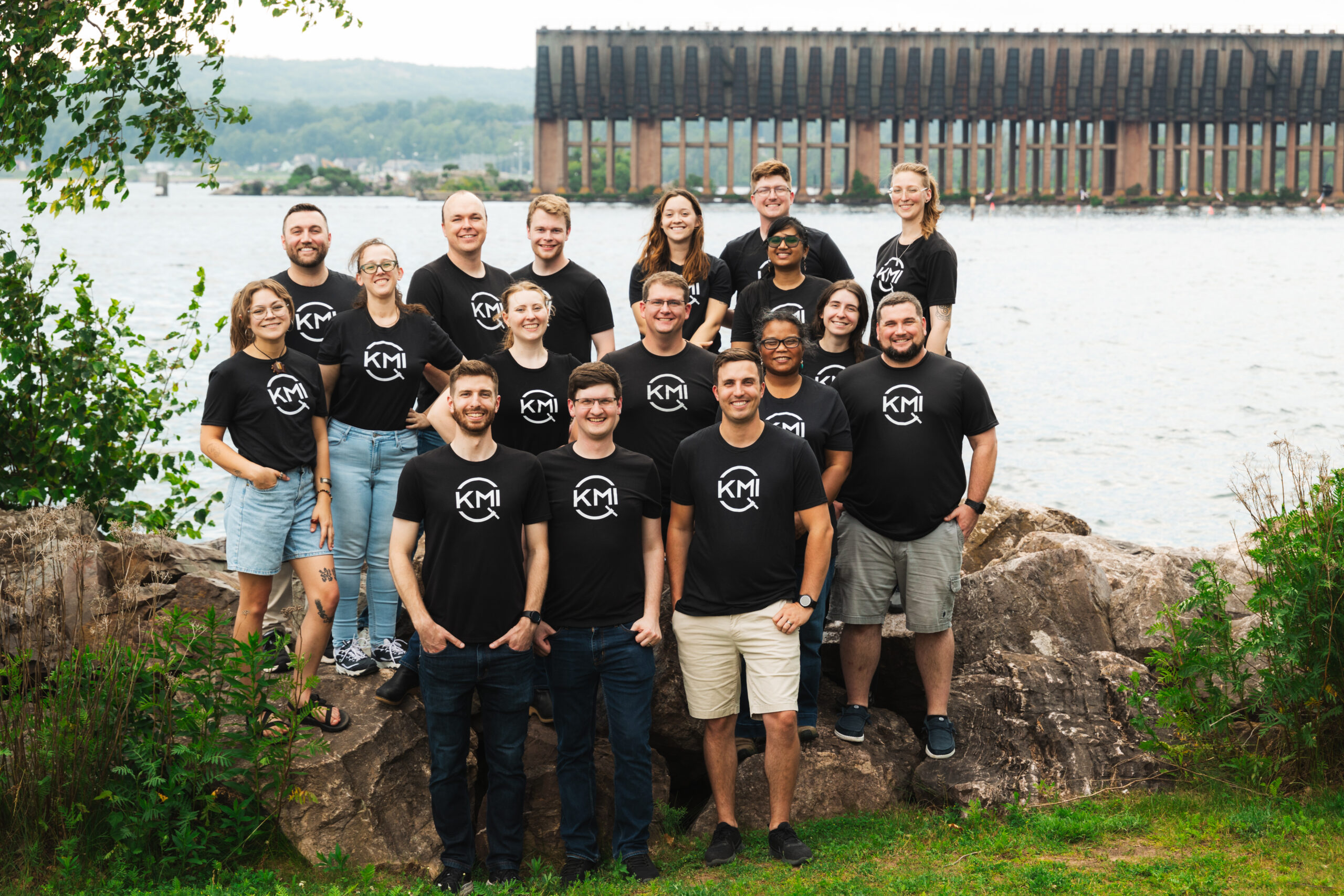
Today KMI employs 17 people and plans to expand its team as the new contract advances. The company estimates the Laelaps project could create 60 additional jobs in Marquette.
For Kall, that growth represents a different kind of rural economic development—one built around creating opportunities for people who want to make their lives in the community, including graduates who might otherwise leave to find work.
“The people that start tech startups in rural communities don’t do it because they’re looking to be kings on the hill,” he said. “They do because they want their community to flourish and to be a part of it.”
From CORI’s first pitch competition winner to an emerging player in orbital logistics, KMI is showing how big ideas can take root—and grow—in rural America.